


By
Editor’s note: This commentary is provided by the Medical Marijuana Education and Research Initiative (MMERI) of Florida A&M University.
FYI
Hits: 16548
Is Kratom an Alternative to Medical Cannabis? No
By
Editor’s note: This commentary is provided by the Medical Marijuana Education and Research Initiative (MMERI) of Florida A&M University.
FYI
Hits: 16548
Like cannabis, kratom has been used for centuries medicinally and recreationally, often for headaches, mental health issues, and opioid withdrawal. Kratom products are popping up in retail spaces, such as convenience stores and online storefronts.
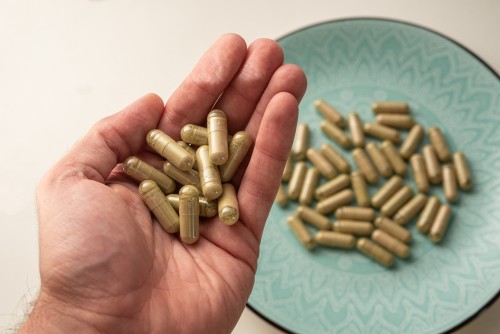 Though kratom may appear to be a natural — and cheaper — alternative to medical marijuana, the U.S. Food and Drug Administration (FDA) advises against its use for medical or dietary purposes, saying its potential for abuse “has yet to be fully understood.”
Florida limits kratom sales to adults 21 and older and enforces labeling and purity standards. Sarasota County banned it in 2014, and Manatee County may follow.
Dr. Deirdre James, an internist and endocrinologist at the University of Tennessee, warns that kratom’s easy access creates a false sense of safety, noting it can cause severe liver damage and even psychosis, particularly in young users.
Bob Durkin, an attorney, registered pharmacist, and former acting director of the FDA’s Office of Dietary Supplement Programs, advises consumers to be cautious: “Look for kratom that are packaged correctly, that have a complete label... and most importantly, consumers should only buy a product that has directions or conditions of use.” The FDA has acted against companies selling concentrated 7-OH (7-hydroxymitragynine), which “produces respiratory depression, physical dependence, and withdrawal symptoms,” and is an active ingredient found in kratom.
Dr. James urges anyone considering kratom to consult a physician: “I’m not necessarily sure that the benefits outweigh the risks, but information would be the strongest tool.” Visit https://bit.ly/MMERIOctober2025 to watch MMERI’s Conversations on Cannabis Virtual Forum featuring Dr. Deirdre James and FDA regulations expert Bob Durkin discussing why “Kratom and Cannabis Don’t Mix.”

