


GEORGETOWN, Guyana - The Guyana-based Pan Caribbean Partnership against HIV and AIDS (PANCAP) Friday congratulated The Bahamas after it became the latest Caribbean Community (CARICOM) country to be certified by Pan American Health Organization/World Health Organization (PAHO/WHO) for achieving the Elimination of Mother-to-Child Transmission of HIV (EMTCT).
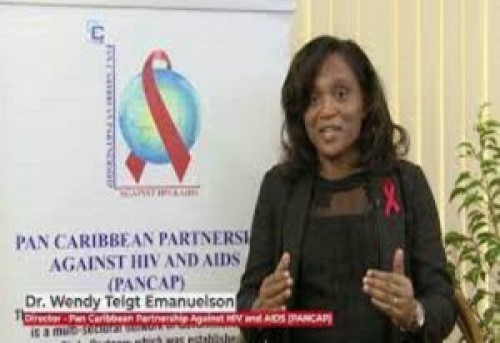 Dr. Wendy Telgt EmanuelsonDirector of PANCAP Coordinating Unit, Dr. Wendy Telgt Emanuelson, described the certification as a reflection of “strong leadership, committed healthcare workers, dedicated partners, and families who trusted the healthcare system”
“It shows that with wisdom, coordination, and sustained effort, extraordinary progress is possible,” Dr. Telgt Emanuelson said, adding that this development in The Bahamas strengthens the Caribbean’s “proud legacy of leadership in the elimination agenda.”
She said that the region continues to demonstrate that small states can deliver world-class public health success through partnership and determination, giving hope to the wider Caribbean.
PANCAP said elimination of mother-to-child transmission of HIV is a globally recognised public health milestone and is a critical component of Sustainable Development Goal (SDG) 3: Ensure healthy lives and promote well-being for all at all ages, specifically Target 3.3, which aims to end AIDS as a public health threat by 2030. EMTCT ensures that HIV-positive mothers receive timely testing, treatment, and care so that children are born free of HIV.
With this certification, The Bahamas becomes the 11th CARICOM country to achieve EMTCT of HIV, joining Anguilla, Antigua and Barbuda, Belize, Bermuda, Cayman Islands, Dominica, Jamaica, Montserrat, St. Kitts and Nevis, and St. Vincent and the Grenadines.
It also joins two PAHO members countries in the Americas; Cuba, the first country in the world to be certified, and Brazil.
According to PAHO/WHO, The Bahamas achieved this milestone by pioneering a comprehensive and inclusive healthcare model that included the provision of universal antenatal care to all pregnant women, a strong, integrated laboratory network and a rigorous testing protocol that screens women at their first antenatal appointment and again in the third trimester.
Implemented under a Maternal and Child Health (MCH) programme, the interventions include coordination with the National Infectious Disease Programme, which oversees the prevention and treatment of HIV and other sexually transmitted infections (STI).
The PANCAP Director also offered recognition to the various stakeholder’s in The Bahamas acknowledging also PAHO/WHO’s continued leadership and partnership in supporting countries to achieve and sustain these important milestones.
“While we celebrate today, we know the work must continue. Sustained investment in maternal and child health services, testing, treatment, and prevention remains essential to protect these gains and ensure no mother or child is left behind,” Dr. Telgt Emanuelson said.
She said PANCAP remains committed to working with The Bahamas and all member states to pursue the shared goal of ending AIDS as a public health threat by 2030.

